










Help Desk
General Enquiry
+91-94426 17038
Admission Help Line
+91-93424 54632
Exam Help Desk
+91-94426 17030
TBAKC Logo

Thassim Beevi Abdul Kader College For Women

(Autonomous) Kilakarai – 623 517, Ramanathapuram District

A Minority Institution Sponsored by Seethakathi Trust, Chennai  |  Affiliated to Alagappa University

Notice
Odd Semester CIA I Timetable 2026-27     ✦ Power Seminar on "Corporate Expectations from Freshers" organized by ICT Committee, TBAKC on 27.08.2026.     ✦ 8 Day International Seminar on IKS from 21.08.2026 to 28.08.2026     ✦ 35th Graduation Day Notice     ✦ Odd Semester CIA I Timetable 2026-27     ✦ Power Seminar on "Corporate Expectations from Freshers" organized by ICT Committee, TBAKC on 27.08.2026.     ✦ 8 Day International Seminar on IKS from 21.08.2026 to 28.08.2026     ✦ 35th Graduation Day Notice    
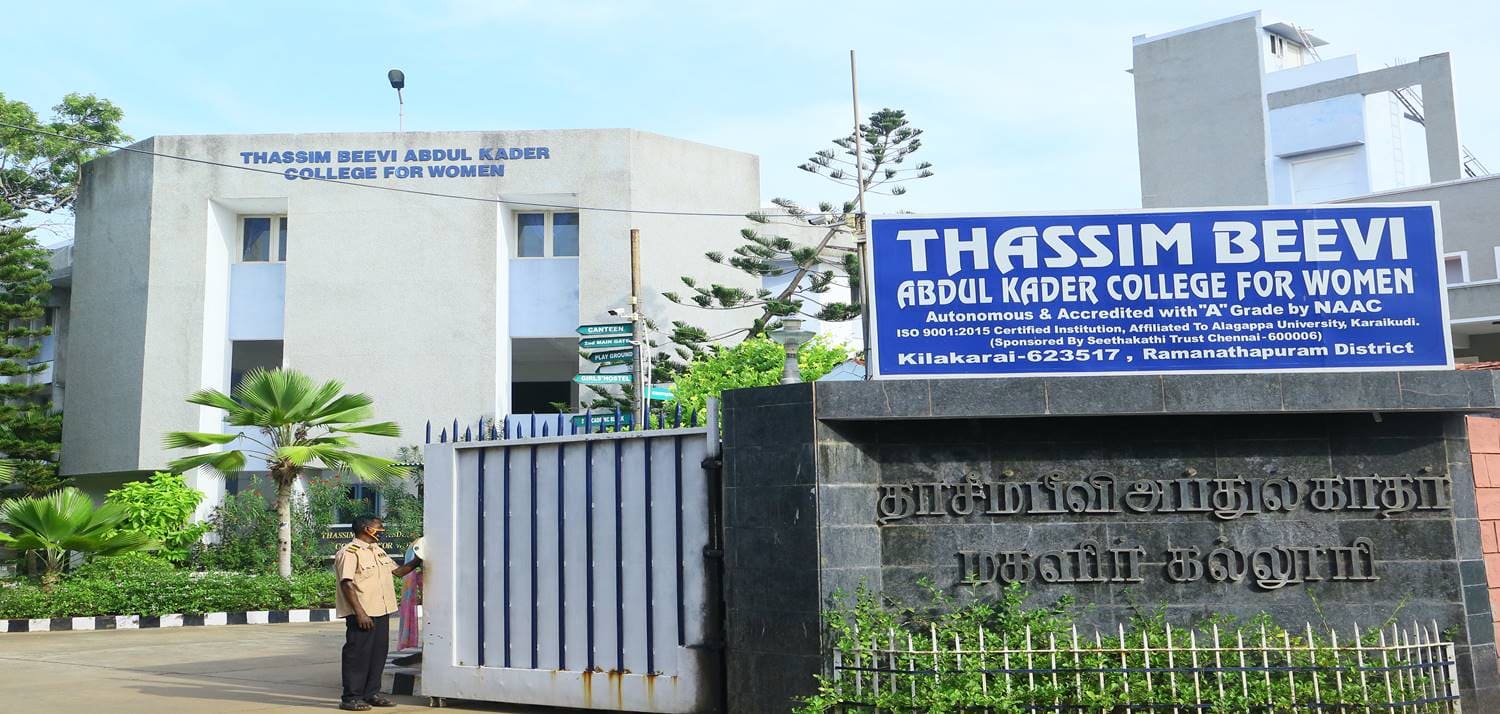
College Building

UGC Public Self-Disclosure

Home UGC Public Self-Disclosure

Internal Complaints Committee (ICC)

Constituted under the POSH Act, 2013 & UGC Regulations, 2015

The Internal Complaints Committee (ICC) is constituted in accordance with the Sexual Harassment of Women at Workplace (Prevention, Prohibition and Redressal) Act, 2013 and the University Grants Commission (UGC) Regulations, 2015. The Committee is dedicated to ensuring a safe, secure, and inclusive campus where every student, teaching faculty, non-teaching staff, research scholar, and visitor is treated with dignity and respect. The ICC serves as the institutional mechanism for preventing and addressing complaints of sexual harassment and fostering a culture of equality and mutual respect.

Vision

To promote a safe, inclusive, and gender-sensitive campus at Thassim Beevi Abdul Kader College for Women, where every individual can pursue education and professional responsibilities in an environment free from sexual harassment, discrimination, and intimidation.

Mission

The mission of the ICC is to prevent sexual harassment through continuous awareness and sensitization programmes, provide an accessible and confidential grievance redressal mechanism, ensure fair and impartial inquiry procedures, uphold the principles of natural justice, and strengthen the values of dignity, equality, integrity, and mutual respect among all members of the college community.

Objectives of the ICC

The objectives of the Committee are to:

  • Prevent incidents of sexual harassment through proactive awareness and preventive measures.
  • Promote a culture of mutual respect, equality, and dignity among students, faculty, staff, and visitors.
  • Ensure gender equality and uphold the rights of women in the institution.
  • Provide a fair, confidential, and time-bound grievance redressal mechanism for complaints of sexual harassment.
  • Create awareness about the provisions of the POSH Act, 2013, UGC Regulations, and institutional policies through regular sensitization programmes.
  • Encourage a campus culture that values ethical behaviour, respect, and accountability.

Composition of the Committee

S. No. Name Designation
1. Dr S Sumaya Principal
2. Ms B Seeni Rahfu Nisha Vice Principal of Administration
3. Dr O S Aysha Vice Principal of Academic Affairs
4. Ms R Lakshmi Shree Dean of Student Affairs
5. Dr M Ponmani IQAC Coordinator
6. Ms Visuvabhati P.O, ICDS
7. Ms J Thiruthanikumaran NGO Coordinator

Roles and Responsibilities

The Presiding Officer leads the Committee, ensures confidentiality, supervises inquiries, and recommends appropriate action. Committee Members receive complaints, conduct impartial inquiries, maintain records, organize awareness programmes, and support complainants. The External Member provides legal guidance, ensures fairness and transparency, and advises the Committee on best practices.

Functions of the ICC

The ICC performs the following key functions:

Prevention: Promote a harassment-free campus through awareness and education.

Prohibition: Discourage all forms of sexual harassment by enforcing institutional policies.

Redressal: Address complaints promptly through a fair and confidential inquiry process.

Awareness Creation: Conduct seminars, workshops, and campaigns on gender sensitivity and legal rights.

Counselling and Support: Provide guidance and support to affected individuals during the complaint process.

Policy Implementation: Ensure effective implementation of the POSH Act, UGC Regulations, and the College's ICC Policy.
Students' Grievance Redressal Committee

About the Committee

The Grievance Redressal Committee is constituted to provide a fair, transparent, accessible, and time-bound mechanism for addressing the grievances of students and other stakeholders. The Committee ensures that grievances are received, examined, and resolved with due confidentiality, impartiality, and sensitivity. Further, the Committee strives to promote a safe, respectful, inclusive, and student-friendly campus environment by addressing legitimate concerns and facilitating appropriate remedial measures.

Objectives

  • To provide an accessible mechanism for submitting and resolving grievances.
  • To ensure that grievances are addressed promptly, fairly, and impartially.
  • To maintain confidentiality and protect the dignity of the complainant.
  • To create awareness among students about their rights and the grievance redressal mechanism.
  • To recommend appropriate corrective and remedial measures wherever necessary.
  • To promote a harmonious, respectful, and supportive academic environment.

Role of Grievance Redressal Committee

The Committee may consider grievances relating to academic, administrative, infrastructural, student-support, and other institutional matters that fall within its purview. Grievances may be submitted through the prescribed grievance mechanism provided by the College. Complaints should contain sufficient details to enable the Committee to examine and address the matter appropriately.

Grievance Redressal Procedure

  1. The grievance is submitted through the prescribed channel.
  2. The Committee acknowledges and examines the grievance.
  3. Relevant information or clarification may be obtained from the concerned persons, wherever required.
  4. The matter is reviewed objectively and confidentially.
  5. Appropriate remedial action is recommended or initiated based on the nature of the grievance.
  6. The complainant is informed of the outcome, wherever applicable.
  7. Records of grievances and actions taken are maintained appropriately.

Committee Members

S. No. Name Designation
1. Dr. S. Sumaya Principal – Chairperson
2. Ms. B. Seeni Rahfu Nisha Vice Principal – Administration
3. Dr. O. S. Aysha Vice Principal – Academic Affairs
4. Ms. R. Lakshmi Shree Dean of Student Affairs
5. Dr. M. Ponmani IQAC Coordinator
6. Heads of Departments Members

Commitment

The College is committed to ensuring that every genuine grievance is treated with respect, confidentiality, fairness, and due consideration. The Grievance Redressal Committee works towards strengthening a culture of trust, accountability, transparency, and continuous improvement in the institution. Students and stakeholders are encouraged to approach the Committee without hesitation for the redressal of legitimate grievances.

Accessibility Policy, Guidelines and Standards

Creating an Inclusive, Accessible and Barrier-Free Campus

Our Institution is committed to providing an inclusive, equitable, accessible and barrier-free educational environment for Persons with Disabilities (PwDs) and other members of the institutional community who require accessibility support. The Accessibility Policy of the College is framed with reference to the Rights of Persons with Disabilities Act, 2016, the UGC Accessibility Guidelines and Standards for Higher Educational Institutions and Universities, 2022, applicable Government policies and the principles of universal design, reasonable accommodation, equality and non-discrimination.

We Are Committed To

  • Creating a barrier-free and inclusive campus.
  • Preventing discrimination against persons with disabilities.
  • Providing reasonable accommodation wherever required and feasible.
  • Creating awareness among students, faculty and staff regarding disability inclusion.
  • Continuously assessing and improving accessibility infrastructure and services.

The College shall endeavour to ensure that disability does not become a barrier to admission, learning, participation, assessment, progression or completion of academic programmes.

Accessibility Facilities at TBAKC

Our College has established the following accessibility facilities to support barrier-free participation:

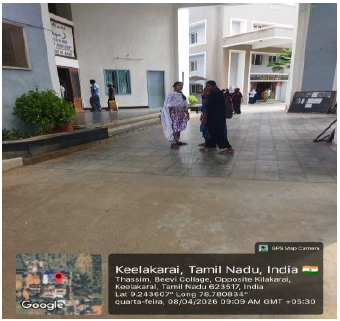
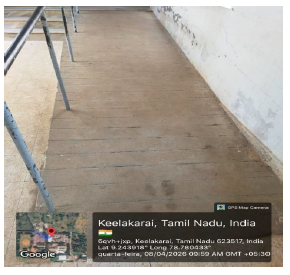
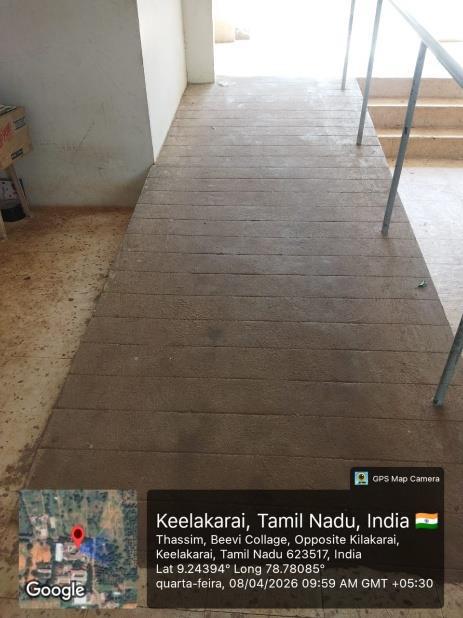
(a) Ramps
Ramps are provided at key locations to facilitate movement for wheelchair users and persons with mobility impairments.

Ramp facility at TBAKC campus Ramp facility at TBAKC campus

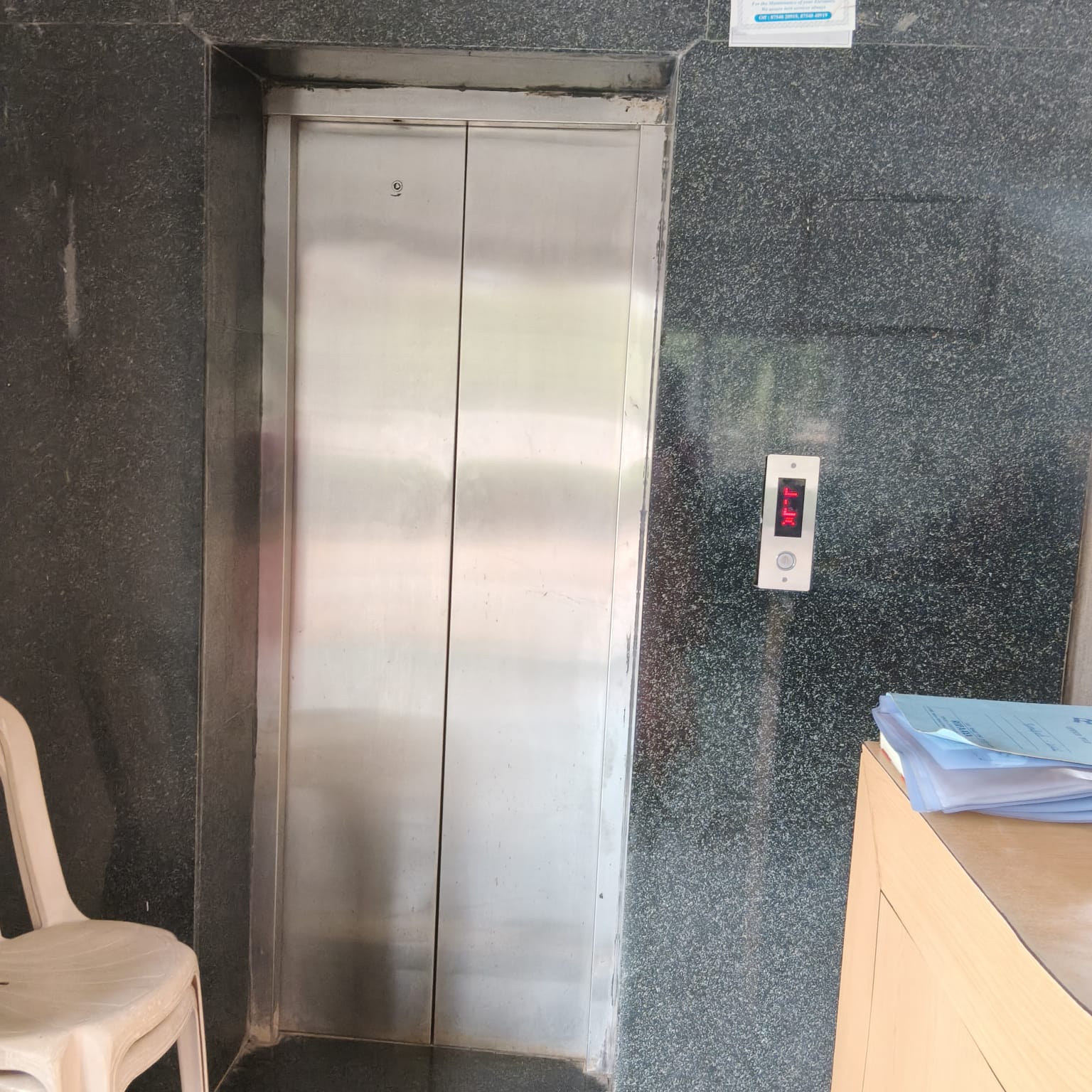
(b) Lifts
Lifts are available in academic buildings to facilitate access to different floors. The College shall ensure periodic maintenance and safe functioning of lifts and shall display appropriate accessibility and safety information.

Lift facility at TBAKC campus

(c) Accessible Washrooms
Accessible/differently abled-friendly washrooms are provided to meet the needs of persons with disabilities. The College shall ensure that such facilities remain usable, hygienic, accessible and appropriately maintained.

Accessible washroom at TBAKC campus

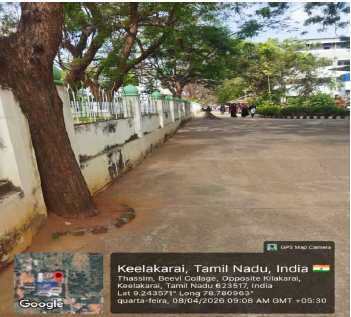
(d) Accessible Roads and Pathways
The College provides accessible roads and pathways to facilitate safe movement across the campus. The College shall endeavour to ensure that pathways remain free from unnecessary obstructions and are appropriately maintained.

Accessible road and pathway at TBAKC campus Accessible road and pathway at TBAKC campus

(e) Barrier-Free Access
The College shall progressively provide barrier-free access to:

  • Classrooms
  • Administrative offices
  • Library
  • Laboratories
  • Examination facilities
  • Student support facilities
  • Seminar/conference facilities
  • Common areas
  • Other essential institutional facilities

(f) Accessible Learning Environment
The College shall promote an inclusive learning environment that enables students with disabilities to participate meaningfully in academic programmes and student support services.

Curbing the Menace of Ragging in Higher Educational Institutions (HEIs)

UGC Regulations on Curbing the Menace of Ragging in HEIs, 2009

The Curbing the Menace of Ragging Committee aims to prevent ragging, prohibit all forms of physical and psychological harassment, protect the dignity of every student, and ensure prompt and fair action against those involved in ragging. In accordance with the UGC Regulations on Curbing the Menace of Ragging in Higher Educational Institutions, 2009, the College adopts a zero-tolerance policy towards ragging in any form.

Vision

To establish a ragging-free campus that nurtures a safe, respectful, and supportive academic environment where every student can pursue education without fear, intimidation, or harassment.

Mission

The mission of the Curbing the Menace of Ragging Committee is to prevent ragging through awareness programmes, orientation sessions, counselling, and strict enforcement of anti-ragging regulations. The Committee is committed to ensuring timely grievance redressal, protecting victims, and promoting discipline, equality, and harmonious relationships among students.

Objectives of this Committee

The Committee, Thassim Beevi Abdul Kader College for Women, aims to:

  • Prevent all forms of ragging within and outside the campus.
  • Ensure a safe, secure, and friendly learning environment.
  • Promote mutual respect, discipline, and healthy interaction among students.
  • Create awareness about the legal provisions and consequences of ragging.
  • Encourage students to report incidents of ragging without fear.
  • Ensure prompt, fair, and confidential inquiry into complaints.
  • Recommend appropriate disciplinary action against offenders.
  • Promote emotional well-being and support for affected students.

Composition of the Committee

S. No. Name Designation Role in Committee
1. Ms J Sunitha Assistant Professor of Hindi Coordinator
2. Ms M Najeeba Assistant Professor of Chemistry Member
3. Ms M Kavitharani Assistant Professor of Computer Science Member

Roles and Responsibilities

The Committee shall:

  • Implement UGC Anti-Ragging Regulations.
  • Monitor the campus to prevent incidents of ragging.
  • Receive and investigate complaints of ragging.
  • Conduct fair and confidential inquiries.
  • Recommend disciplinary action against offenders.
  • Organize awareness programmes and orientation sessions.
  • Coordinate with parents and local authorities whenever necessary.
  • Maintain records of complaints, inquiries, and actions taken.

Functions of the Curbing the Menace of Ragging Committee

The Committee performs the following functions:

Prevention: Organize awareness campaigns, orientation programmes, and counselling.

Prohibition: Strictly prohibit ragging in all forms on and off campus.

Monitoring: Conduct regular surveillance of hostels, classrooms, and common areas.

Redressal: Ensure prompt and impartial handling of complaints.

Counselling: Provide psychological support and guidance to affected students.

Policy Implementation: Ensure compliance with UGC Anti-Ragging Regulations and institutional policies.

Equitable Opportunity Cell (EOC)

Policy, Constitution, Functions and Operational Framework

The Equitable Opportunity Cell (EOC) of TBAKC is constituted to promote equality, inclusion, dignity, social justice and equal opportunity among all members of the institutional community. The EOC shall work in accordance with the Constitution of India, applicable UGC regulations and guidelines, Government policies, disability and accessibility legislation, and the policies and statutory mechanisms of the College.

Vision

To create an inclusive, equitable, accessible and learner-friendly academic environment at Thassim Beevi Abdul Kader College for Women where every individual is treated with dignity and empowered to achieve academic excellence, personal growth and holistic development without discrimination or exclusion.

Mission

The mission of the Equitable Opportunity Cell is to promote equal opportunity and inclusive practices at TBAKC by supporting students from disadvantaged and underrepresented backgrounds, facilitating access to scholarships and welfare schemes, promoting accessibility and barrier-free participation, creating awareness of constitutional values and social justice, and providing appropriate academic, mentoring and support services. The Cell shall work in coordination with relevant institutional and statutory bodies to strengthen equity, inclusion and student welfare.

Objectives

The EOC shall:

  1. Promote equal opportunity and inclusion in academic, co-curricular, cultural, sports, extension and leadership activities.
  2. Prevent discrimination and exclusion and promote equality, dignity, mutual respect and social harmony within the College.
  3. Support students from disadvantaged groups, including SC, ST, OBC, EWS, minority communities, persons with disabilities and other eligible socio-economically disadvantaged groups, as applicable.
  4. Facilitate access to scholarships, fellowships and Government welfare schemes and create awareness regarding available student support measures.
  5. Promote accessibility and reasonable accommodation and identify barriers that may affect the participation and educational progression of students.
  6. Provide or facilitate academic, mentoring, counselling, career guidance and skill-development support for students who require such assistance.
  7. Create awareness and monitor equity initiatives through sensitisation programmes, maintenance of appropriate records, periodic review and coordination with relevant College committees and support systems.

Composition

S. No. Name of the Faculty Designation Role in Committee
1. Dr R Visalatchi Assistant Professor of Tamil Coordinator
2. Ms N Priya Assistant Professor of Chemistry Member
3. Ms B Balaakshaya Assistant Professor of Microbiology Member

Functions of the EOC

The Cell shall undertake the following functions:

(a) Promotion of Equality
Promote equal access to academic, co-curricular, extension, sports, cultural, leadership and developmental opportunities.

(b) Prevention of Discrimination
Promote awareness and preventive measures against discrimination, exclusion, humiliation and inequitable treatment.

(c) Student Support
Facilitate:

  • Mentoring
  • Academic support
  • Counselling / referral
  • Scholarship assistance
  • Welfare scheme awareness
  • Career guidance
  • Skill development
  • Employability support

(d) Accessibility
Promote a barrier-free campus and equitable access to institutional facilities for persons with disabilities.

(e) Awareness
Organize seminars, workshops, orientation programmes and sensitization programmes on:

  • Equality
  • Inclusion
  • Constitutional values
  • Human rights
  • Social justice
  • Diversity
  • Accessibility
  • Government welfare schemes

(f) Participation
Encourage meaningful participation of disadvantaged students in institutional activities.

(g) Monitoring
Monitor implementation of institutional initiatives relating to equity and inclusion and recommend improvements where necessary.